
Is the Air Inside Your Home Making You Sick? Read This First
Most homeowners think about their indoor comfort in terms of temperature. If the house feels cool in summer and warm in winter, everything must be working properly, right?
Not necessarily.
The air inside your home could contain dust, allergens, mold spores, bacteria, pet dander, volatile organic compounds (VOCs), and other pollutants that you cannot see. These contaminants can affect how your home smells, how comfortable it feels, and even how you feel physically every day.
Many people blame seasonal allergies, headaches, fatigue, dry skin, or persistent respiratory irritation on outdoor conditions when the real problem may be inside their own home.
Considering that most people spend the majority of their time indoors, the quality of the air you breathe matters more than many homeowners realize.
In this guide, we’ll explain what indoor air quality is, what affects it, how to recognize warning signs of poor air quality, and what practical steps you can take to create a cleaner, healthier living environment.
What Is Indoor Air Quality?
Indoor air quality (IAQ) refers to the condition of the air inside your home. It measures how clean, healthy, and comfortable that air is for the people living there.
Good indoor air quality means your home’s air contains minimal pollutants and maintains balanced humidity levels. Poor indoor air quality occurs when airborne contaminants build up and circulate throughout the home.
Common indoor pollutants include:
-
- Dust and dust mites
- Pet dander
- Pollen
- Mold spores
- Bacteria and viruses
- Smoke particles
- Household chemicals
- Airborne allergens
Even newer homes can experience air quality issues. In fact, modern homes are often built to be more airtight, which improves energy efficiency but can also trap pollutants indoors.
Why Indoor Air Quality Matters More Than Ever
Indoor air quality affects much more than your comfort.
Poor air quality can contribute to:
- Allergy symptoms
- Asthma flare-ups
- Respiratory irritation
- Frequent coughing or sneezing
- Dry eyes and throat
- Headaches
- Fatigue
- Sleep disruption
- Unpleasant odors
For children, older adults, and individuals with respiratory conditions, poor indoor air quality can have an even greater impact.
The challenge is that many symptoms develop gradually. Homeowners often become accustomed to poor air quality without realizing the role their indoor environment is playing.
7 Signs Your Home Has an Air Quality Problem

Many homes experience indoor air quality issues without obvious warning signs. Here are some of the most common indicators.
1. Excessive Dust Around the Home
If surfaces seem dusty again shortly after cleaning, your HVAC system may be circulating airborne particles throughout the house.
Dust buildup can indicate:
- Dirty air filters
- Ductwork issues
- Poor filtration
- Inadequate air circulation
2. Allergy Symptoms Indoors
Do allergy symptoms improve when you leave the house?
If sneezing, congestion, itchy eyes, or coughing worsen indoors, airborne allergens may be present throughout your home.
3. Persistent Musty Odors
Musty smells often indicate moisture issues or mold growth.
Even if mold isn’t visible, microscopic spores can affect indoor air quality and create unpleasant odors.
4. Uneven Humidity Levels
Air that feels excessively dry or humid can contribute to comfort and health problems.
High humidity encourages mold growth, while overly dry air may irritate skin, sinuses, and respiratory passages.
5. Frequent Respiratory Irritation
Constant coughing, throat irritation, or breathing discomfort may indicate airborne contaminants.
6. Lingering Household Odors
Cooking odors, pet smells, and other household odors should dissipate relatively quickly. If they linger, your home’s air circulation may not be effectively removing contaminants.
7. Increased HVAC Runtime
When your HVAC system struggles to maintain comfort, poor airflow and clogged filtration components may contribute to indoor air quality concerns.
The Hidden Sources of Poor Indoor Air Quality
Many homeowners assume outdoor pollution is the primary concern. However, some of the most significant air quality issues originate indoors.
Common sources include:
Household Cleaning Products
Many cleaning products release VOCs into the air.
Carpets and Upholstery
Soft surfaces can trap allergens, dust, and pet dander.
Pets
Even well-groomed pets contribute dander and hair to indoor environments.
Moisture Problems
Leaks, condensation, and humidity issues can promote mold growth.
Cooking Activities
Gas stoves and everyday cooking release airborne particles.
Building Materials
Paints, adhesives, furniture, and flooring materials can release pollutants over time.
Why Does Your House Feel Dusty No Matter How Much You Clean?
This is one of the most common complaints homeowners have.
You vacuum.
You dust.
You wipe surfaces.
A few days later, the dust is back.
Cleaning removes dust that has already settled. It doesn’t address what continues to circulate through the air.
Common causes include:
- Dirty HVAC filters
- Leaky ductwork
- Poor filtration systems
- High levels of outdoor pollen
- Pet dander accumulation
If excessive dust is a constant battle, your HVAC system should be evaluated as part of the solution.
Can Your HVAC System Improve Indoor Air Quality?

Absolutely.
Your HVAC system doesn’t simply heat and cool your home. It also continuously moves air throughout your living space. Learn more about how your AC affects the air you breathe throughout your home. As the air circulates through the system repeatedly, HVAC components play a significant role in air quality.
Important factors include:
Air Filters
High-quality filters capture airborne particles before they recirculate throughout the home.
Ventilation
Proper ventilation helps remove stale indoor air and replace it with fresher air.
Humidity Control
Balanced humidity levels improve comfort and reduce conditions that support mold growth.
Air Purification Technologies
Modern purification systems help reduce airborne contaminants beyond what standard filtration can achieve.
HVAC Filters: Your First Line of Defense
Filters are often overlooked, yet they are one of the most important components of indoor air quality.
A clean filter helps capture:
- Dust
- Pollen
- Pet dander
- Mold spores
- Other airborne particles
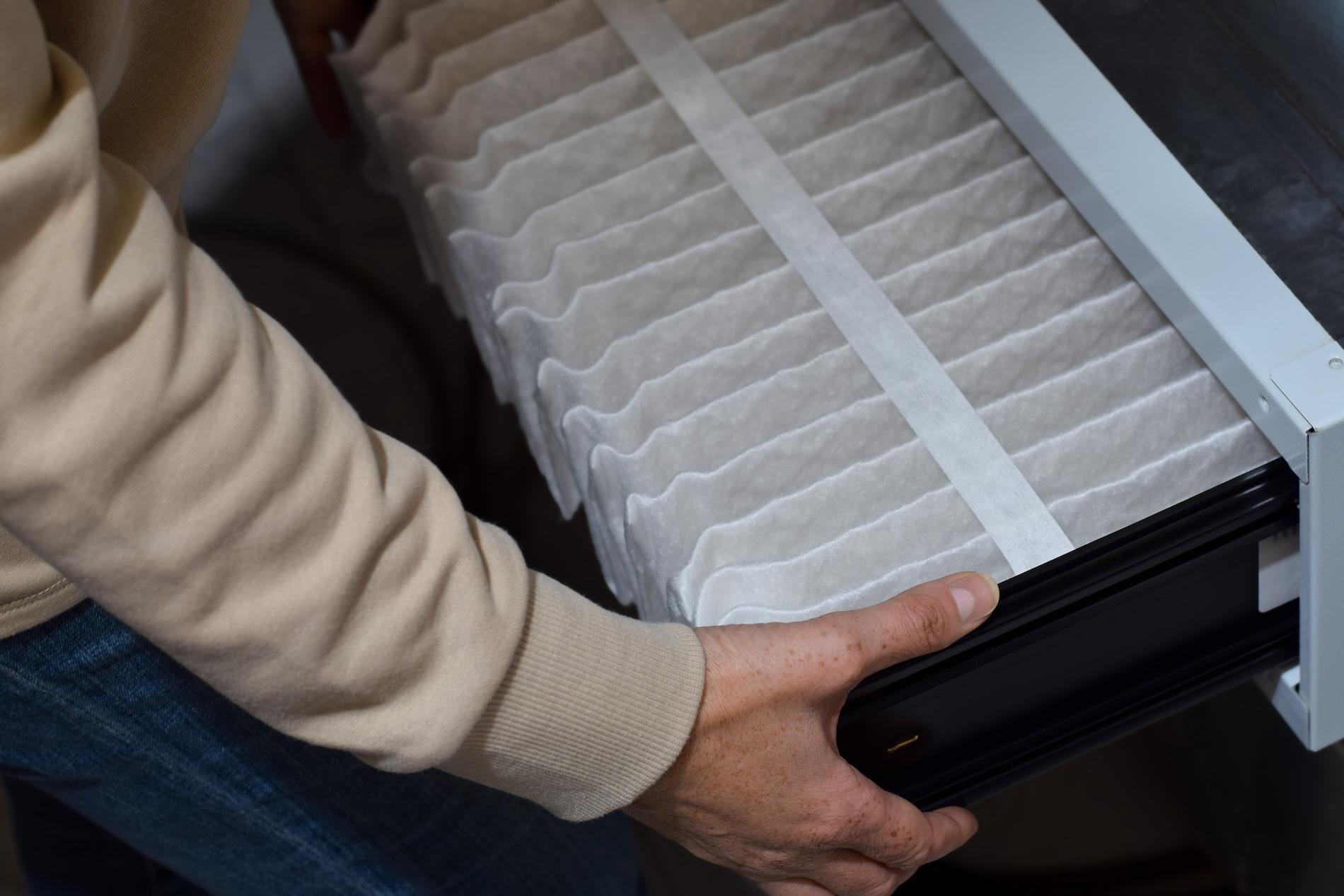
Neglected filters can become clogged and reduce airflow while allowing contaminants to circulate more easily.
Regular filter replacement is one of the simplest ways to improve indoor air quality. And If you’re unsure which filter is right for your system, read our guide to choosing the best HVAC filters for cleaner indoor air.
UV Lights, Air Purifiers, and Filters: What’s the Difference?
Many homeowners hear about UV lights and air purification systems but aren’t sure how they compare.
Filters
Filters physically trap airborne particles.
Air Purifiers
Purification systems help remove contaminants from circulating air.
UV Lights
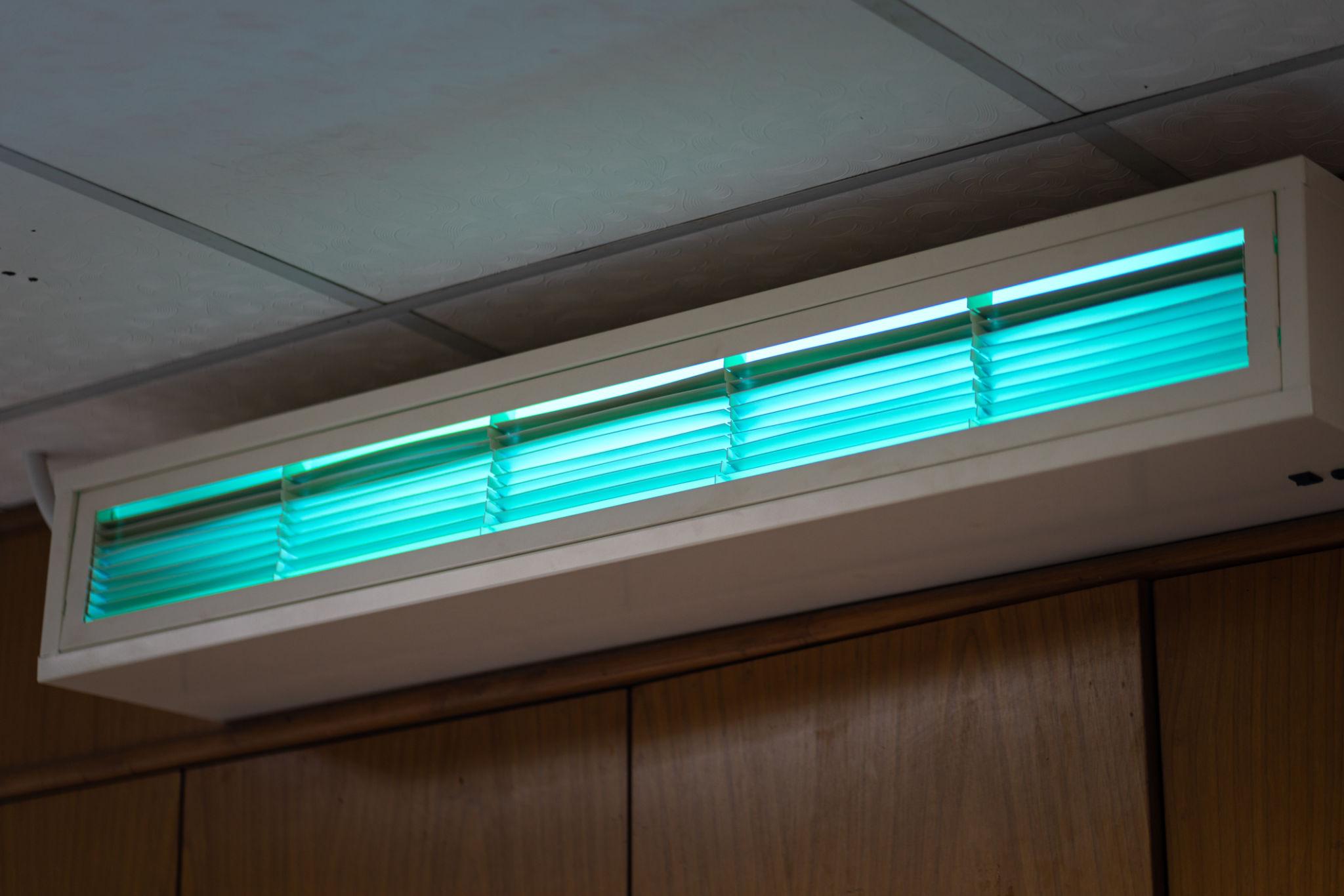
HVAC UV lights target microorganisms such as bacteria, mold, and other biological contaminants that can develop inside HVAC systems.
Rather than replacing filtration, UV technology works alongside existing systems to create a more comprehensive indoor air quality solution.
How HVAC UV Lights Help Create Cleaner Indoor Air
Many homeowners are now investing in HVAC UV light installation to improve indoor air quality and reduce airborne contaminants.
Benefits may include:
- Reduced biological contaminants
- Cleaner HVAC components
- Improved system efficiency
- Enhanced indoor air quality
- Better indoor air for allergy and asthma sufferers
When professionally installed, UV systems work continuously whenever air circulates through your HVAC equipment.
Mold, Allergens, or Dust: What’s Really Affecting Your Indoor Air?
Many symptoms overlap.
For example:
| Issue | Common Symptoms |
| Dust | Sneezing, irritation, dust buildup |
| Allergens | Congestion, itchy eyes, coughing |
| Mold | Musty odors, respiratory irritation |
| Poor Ventilation | Stale air, lingering odors |
A professional indoor air quality assessment can help identify contributing factors and determine the most appropriate solution.
Should You Have Your Air Ducts Cleaned?
Air ducts can accumulate debris over time.
Duct cleaning may be beneficial when:
- Significant dust buildup exists
- Mold contamination is present
- Recent renovations generated construction debris
- Occupants experience persistent air quality concerns
However, air duct cleaning works best as part of a broader indoor air quality strategy rather than a standalone solution.
Indoor Air Quality During Texas Summers
Texas homeowners face unique challenges.
Long cooling seasons mean HVAC systems operate for extended periods.
Additional concerns include:
- Elevated humidity
- Increased allergen exposure
- Mold-friendly conditions
- Greater indoor occupancy during extreme heat
Maintaining indoor air quality during summer often requires a combination of filtration, humidity control, ventilation, and air purification technologies.
How to Improve Indoor Air Quality in Your Home
Simple improvements can make a noticeable difference.
Replace Air Filters Regularly
Follow manufacturer recommendations and replace filters as needed.
Maintain Your HVAC System
Routine maintenance helps ensure proper airflow and filtration performance.
Control Humidity
Aim for balanced indoor humidity levels.
Address Water Leaks Promptly
Moisture problems should never be ignored.
Consider Advanced Air Purification
UV lights and whole-home purification systems can provide additional protection against airborne contaminants.
Schedule Professional Evaluations
Professional assessments help identify hidden issues before they become larger problems.
Frequently Asked Questions
What causes poor indoor air quality?
Dust, allergens, mold, humidity issues, inadequate ventilation, and household pollutants are among the most common causes.
Can indoor air quality affect sleep?
Yes. Airborne irritants and poor ventilation can contribute to discomfort and sleep disruption.
Do HVAC UV lights really work?
When properly installed, UV lights help target biological contaminants inside HVAC systems and support cleaner indoor air.
Is indoor air quality testing worth it?
Testing can help identify specific issues affecting your home’s air and guide the most effective solutions.
Final Thoughts
The air inside your home plays a major role in your comfort, health, and overall quality of life.
Unfortunately, many indoor air quality issues develop gradually and remain unnoticed until symptoms become difficult to ignore.
Whether you’re dealing with excessive dust, allergy symptoms, musty odors, or simply want a healthier home environment, understanding the factors that affect indoor air quality is the first step toward meaningful improvement.
With proper HVAC maintenance, effective filtration, humidity control, and advanced air purification solutions, homeowners can create cleaner, healthier indoor spaces for their families year-round.
Can Skipping Seasonal Maintenance Shorten the Life of Your Cooling System?
Most people don’t think about their air conditioner until it stops working. Everything feels fine until the house starts getting warm….
How Often Should You Service Your AC in Belton, Texas?
Let’s be real about Belton summers for a minute. That heat isn’t just uncomfortable; it’s relentless. From those humid June….

Why Homeowners in Central Texas Are Switching to Ductless Systems
You know exactly how it is here. Summer rolls in, you turn the AC down low, and what happens? The living room gets frosty…
Is Your HVAC System Costing You Too Much? A Smart Thermostat Might Be the Fix
Man, opening that monthly energy bill can feel like a punch in the gut, can’t it? You look at the number for your heating…
How Smart Thermostats Improve HVAC Performance and Reduce Bills
Let’s be honest. For most of us, the thermostat is that thing on the wall we poke at when we’re too hot or too cold…
