Why Does My HVAC Keep Turning On and Off?
You’re sitting in your living room, and you hear it; click, whoosh, then a few minutes later, click again. Your HVAC system keeps turning on and off every few minutes, and you’re not sure if it’s normal or if something’s broken.
Here’s the straight answer: that frequent starting and stopping is called short cycling, and it’s not normal. Your system should run for 10 to 15 minutes at a time to properly heat or cool your space. When it keeps turning on and off repeatedly, it’s a sign something’s wrong and ignoring it will cost you money and comfort.
What you’ll learn here:
- What short cycling actually means and why it’s bad for your system
- The most common causes from dirty filters to oversized units
- How to troubleshoot the problem yourself
- When to call a professional for HVAC repair
- How regular HVAC maintenance prevents short cycling
What exactly is HVAC short cycling?
Short cycling is when your HVAC system turns on, runs for a very short time, usually less than 10 minutes and then shuts off again. Then it repeats the cycle over and over.
A properly functioning system should run in longer cycles. It needs enough time to reach the temperature you’ve set and actually remove humidity from the air. When your system short cycles, it never gets to do its full job.
Why is short cycling a problem?
Short cycling causes serious damage over time:
- Higher energy bills: starting up uses more energy than running
- Uneven temperatures: rooms never get properly comfortable
- Poor humidity control: your home feels sticky or clammy
- More wear and tear: parts wear out faster, leading to expensive repairs
- Shortened lifespan: your system won’t last as long as it should
What are the most common causes of short cycling?

Dirty or clogged air filter
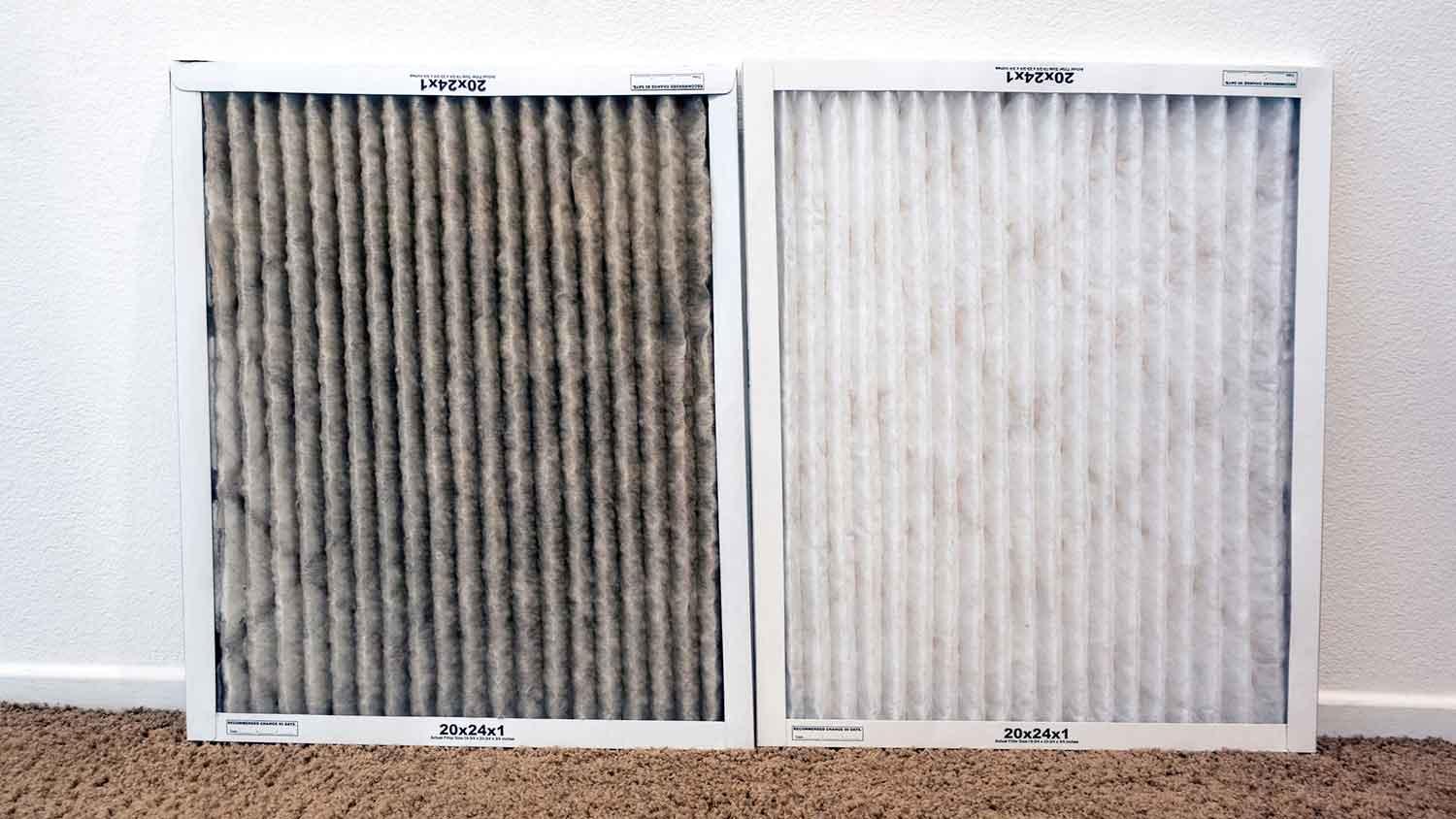
This is the number one culprit. A dirty filter restricts airflow, causing your system to overheat and shut off early. Check your filter first, it’s the easiest fix.
Faulty thermostat
If your thermostat is malfunctioning or placed in a bad spot, it can trick your system into thinking it’s reached the right temperature when it hasn’t. Try changing the batteries or moving the thermostat away from drafts and direct sunlight.
Low refrigerant or refrigerant leak
Low refrigerant levels cause the system to run inefficiently and cycle on and off. This is a sign of a leak that needs professional attention.
Oversized HVAC system
This is more common than you might think. An oversized system cools or heats your home too quickly, shuts off, and then turns back on a few minutes later. It never runs long enough to remove humidity properly.
Poor airflow
Blocked air vents, closed registers, or dirty coils restrict airflow and cause the system to short cycle. Make sure all vents are open and unobstructed.
Frozen evaporator coil
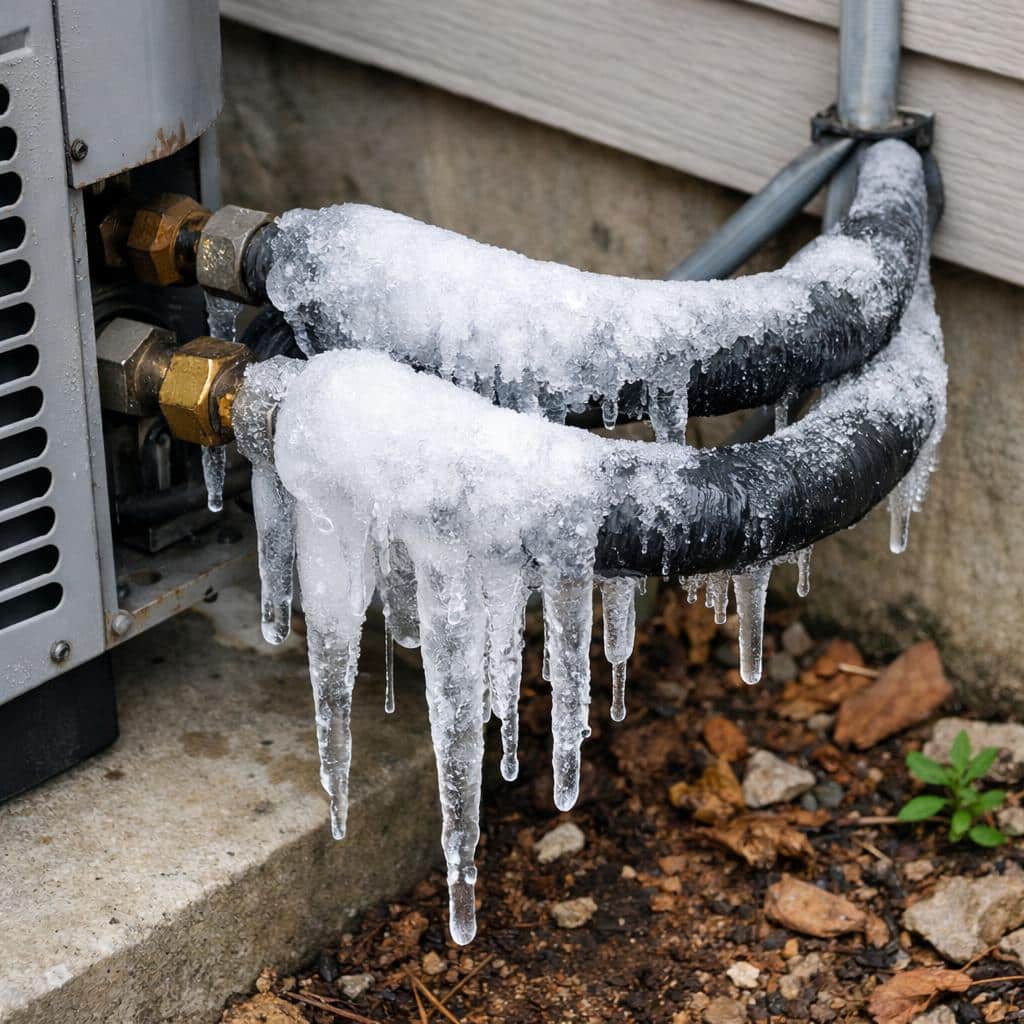
When airflow is restricted, the evaporator coil can freeze. The system then shuts off to protect itself. Restricted airflow, dirty filters, and low refrigerant levels are common causes.
Electrical problems
Faulty wiring, bad capacitors, or control board issues can cause intermittent power loss. This is definitely one for the professionals.
Quick checklist: what to check before calling a pro
|
Problem |
What to check |
Difficulty |
|
Dirty air filter |
Check and replace filter |
Easy – DIY |
|
Blocked vents |
Make sure all registers are open |
Easy – DIY |
|
Thermostat issues |
Check batteries, location, settings |
Medium – DIY or pro |
|
Frozen coil |
Look for ice on the outdoor unit |
Medium – call a pro |
|
Low refrigerant |
Check for hissing sounds or ice |
Hard – call a pro |
|
Oversized system |
Get a professional load calculation |
Hard – call a pro |
|
Electrical problems |
Look for tripped breakers |
Hard – call a pro |
What can I try before calling for HVAC repair?

Start with the easy stuff. These simple checks might solve the problem without a service call:
1. Replace your air filter
A clogged filter is the most common cause of short cycling. If you can’t remember when you last changed it, it’s probably time.
2. Check your thermostat
Make sure it’s set to the right mode (cool or heat). Try changing the batteries. Move anything that might be blocking it; lamps, TVs, or even direct sunlight can confuse the sensor.
3. Check your air vents
Walk through your home and make sure every supply and return register is open and unobstructed. Furniture blocking vents can cause serious airflow problems.
4. Look at your outdoor unit
Check for ice buildup on the refrigerant lines. If you see ice, turn the system off and call a professional.
5. Check your circuit breaker
Make sure the breaker for your HVAC system hasn’t tripped. Reset it if it has, but if it trips again, call a professional.
If none of these work, or if you notice ice, hissing sounds, or other unusual signs, it’s time to call a professional for AC repair.
Could my HVAC system be the wrong size?
Yes and it’s more common than you’d think.
An oversized system is a major cause of short cycling. Here’s why: your system cools or heats your home too quickly. It reaches the set temperature in just a few minutes and shuts off. But because it didn’t run long enough, it didn’t remove humidity or distribute air evenly. The temperature quickly rises again, and the cycle repeats.
This is a problem that requires professional HVAC diagnostics. A qualified technician can perform a Manual J load calculation to determine the correct size for your home. Replacing an oversized system with a properly sized one is the only real fix.
What happens if I ignore short cycling?
Ignoring short cycling isn’t just annoying, it’s expensive:
- Higher energy bills: your system works harder and uses more energy
- More breakdowns: parts wear out faster and fail more often
- Shortened equipment life: your system won’t last as long
- Poor indoor air quality: without proper humidity control, mould and dust thrive
- Costly repairs: what starts as a simple fix can become a major expense
How can regular HVAC maintenance prevent short cycling?
Regular HVAC maintenance catches problems before they cause short cycling:
- Filter changes: your technician will replace dirty filters
- Coil cleaning: clean coils ensure proper airflow
- Refrigerant checks: they’ll catch low levels before they become a problem
- Thermostat calibration: they’ll make sure your thermostat is reading accurately
- Electrical inspections: they’ll spot worn parts before they fail
- System sizing review: they can tell you if your system is the right size
How often should I have maintenance done?
Twice a year is the standard, once before cooling season and once before heating season. This keeps your system running efficiently and catches problems early.
Frequently Asked Questions
Is it normal for my HVAC to turn on and off frequently?
No. A properly functioning system should run for 10 to 15 minutes per cycle. If your system is turning on and off every few minutes, that’s short cycling and it needs attention.
Can a dirty air filter cause short cycling?
Yes, a dirty or clogged air filter is the most common cause. Restricted airflow causes the system to overheat and shut off early. Check and replace your filter regularly.
How do I know if my HVAC system is short cycling?
Look for these signs: your system turns on and off frequently, runs for only a few minutes at a time, your home feels unevenly heated or cooled, or your energy bills have gone up.
Can an oversized HVAC system cause short cycling?
Yes, an oversized system cools or heats your home too quickly, shuts off, and then turns back on again. It never runs long enough to remove humidity or distribute air evenly.
Should I call a professional for HVAC troubleshooting?
If you’ve checked the filter, thermostat, and vents and your system is still short cycling, call a professional. Issues like low refrigerant, electrical problems, or an oversized system need expert diagnosis.
How much does HVAC repair cost for short cycling?
Costs vary depending on the cause. A simple filter change is cheap, but refrigerant leaks or electrical problems can be more expensive. The earlier you catch the problem, the less it usually costs.
Does short cycling damage my HVAC system?
Yes. Short cycling puts extra strain on your system every time it starts up. Over time, this leads to more wear and tear, more breakdowns, and a shorter lifespan for your equipment.
The bottom line from us
Look, we know how frustrating it is when your HVAC system keeps turning on and off. Your home never feels comfortable, your energy bills keep climbing, and you’re not sure who to call.
At Lockey Heating & Air, we’ve been serving Central Texas families for years. Our team has over 80 years of combined experience in the heating and air conditioning industry. We know the ins and outs of HVAC short cycling, from dirty filters to oversized systems to refrigerant leaks.
We serve homeowners across Temple, Killeen, Belton, Harker Heights, Waco, Georgetown, and all over Central Texas. When you call us for HVAC repair, you get honest diagnosis, fair pricing, and work that’s done right the first time.
Need help with your HVAC system? Give us a call. We’ll come out, figure out what’s wrong, and get your system running the way it should, no pressure, just straight talk and solid work.
How Smart Thermostats Improve HVAC Performance and Reduce Bills
Let’s be honest. For most of us, the thermostat is that thing on the wall we poke at when we’re too hot or too cold…
Why Regular HVAC System Maintenance Is So Important in Central Taxes
Let’s be real. Around here, from around San Angelo to over to Waco and down through Austin, we have a special relationship with our air conditioning…
I Skipped My HVAC Service for a Year — Here’s What Happened
Hey, neighbors. Let me tell you a little story about a mistake I made last year. It’s a tale as old as time here in Central Texas…
Top 3 Signs Your HVAC Ductwork Is Leaking
Alright, let’s talk about one of the most forgotten parts of your home: the ductwork. You know…
The Ultimate Maintenance Guide for HVAC Ultraviolet Lights
Let’s be real, we rarely think about the air we’re breathing inside our own homes.
