
Can Your AI Thermostat Replace a Technician?
Ever had your smart thermostat proudly tell you it saved 12% on cooling, while you’re sitting there sweating because one room feels like a sauna and another like a meat locker? Yeah, not quite the smart home dream.
These AI thermostats are genuinely clever. But there’s a gap between what the box promises and what actually happens inside your walls when your AC throws a tantrum. Somewhere in that gap you’ll find a technician with a multimeter and years of grime under their nails, fixing what the algorithm missed.
So, can your AI thermostat replace an HVAC technician? Short answer: no. The longer answer is more useful though and it matters for your comfort, your bills, and whether your system gives up in the middle of August.
The clever things your thermostat actually does
First, let’s be fair. Modern smart thermostats are impressive. Not the old programmable ones you set once and forget the ones that genuinely learn.
Here’s what they do well:
- Learn your habits. Over a week or two it notices you turn the temperature down at 10:30 every night. It spots the house is empty from 8 AM to 6 PM on weekdays. Then it builds a schedule around you automatically.
- Use geofencing. It links to your phone. When the last person leaves, the system shifts to away mode. When you’re heading home, it fires up so the place is comfortable when you walk in. You never touch a button.
- Understand your system’s timing. It learns how long your specific setup takes to heat or cool the house. That helps it run more efficiently and stops short cycling that annoying on-off-on-off pattern that wastes energy and wrecks equipment.
All good stuff. And here’s the thing a smart thermostat could fix an HVAC system that’s costing too much, mainly by keeping it off when nobody’s home
What your thermostat has absolutely no idea about
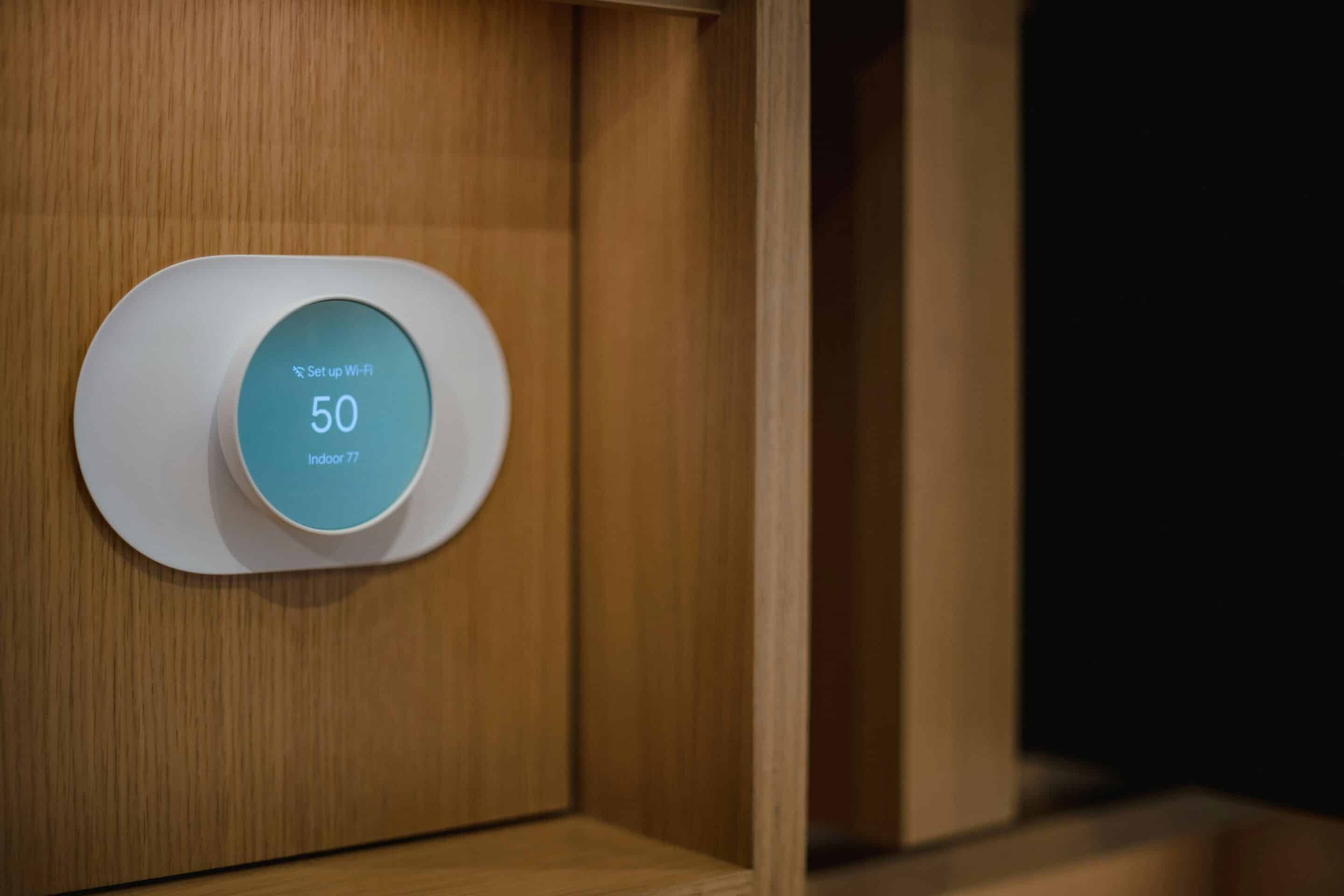

Your thermostat knows the hallway temperature. Maybe humidity. It knows your routine. What it doesn’t know is that your evaporator coil is slowly turning into a block of ice because you forgot to change the filter for three months. It doesn’t know the capacitor in the outdoor unit is about to fail. It doesn’t know there’s a refrigerant leak dripping quietly in the attic.
A technician spots those things in minutes. The thermostat? It just keeps sending “cool on” and wonders why nothing happens.
The scary part is that skipping seasonal maintenance can shorten the life of your cooling system without you even knowing because the damage happens quietly where a sensor can’t see it.
AI is great with patterns, but real HVAC problems often throw a mix of mechanical faults at once. The thermostat might notice the house isn’t cooling, but it can’t tell you whether that’s a dying compressor, low refrigerant, a clogged filter, bad airflow, or an electrical issue. That sort of judgment comes from hands-on experience.
And the biggest limitation? Your thermostat can’t physically do anything. It can’t check coolant levels, test wiring, inspect capacitors, or clean coils. It can alert you, but it can’t pop the hood and fix the problem.
When the sensor gets it wrong (and it does)
Your thermostat is only as good as the data it’s getting. If it’s mounted in direct afternoon sun, above a hot TV, or in a drafty hallway it’s reading nonsense. It might think the whole house is 78° while the back bedroom is 85°. It might short-cycle your system to death because it keeps being fooled.
In Central Texas, where summers are brutal and humidity hangs thick, sensor placement matters even more. Humidity can trick the thermostat into thinking it’s hotter than it is, making the AC run constantly or cycle too fast. The thermostat won’t know it’s being fooled. A tech will spot the placement problem in seconds and sort it out.
And let’s talk about installation. A lot of smart thermostats need a C-wire for constant power. Older homes often don’t have one. Without it, the unit might “power steal,” which can cause:
- Flickering screens
- Dropped Wi-Fi connections
- Batteries that drain constantly
- In rare cases, wiring faults that can start a fire
That’s not a DIY problem. That’s a call-a-licensed-professional problem.
What your AI thermostat will never do
With all respect to the clever engineers who build these gadgets, your thermostat will never:
- Climb into your attic on a 105° afternoon to check why the drip pan is overflowing.
- Measure the temperature drop across the evaporator coil to diagnose a refrigerant leak.
- Test the capacitor in the outdoor unit before it blows.
- Clean the grime off your condenser coils so your system can breathe.
- Hear the quiet grinding noise that means the blower motor bearings are shot.
- Tighten a loose electrical connection before it arcs and fries the control board.
That’s everyday HVAC work. It’s what the Lockey Air techs do day in, day out across Belton, Harker Heights, and the rest of Central Texas. Over 80 years of combined experience crawling through attics, sweating in the heat, and fixing things properly the first time.
A smart thermostat is a brilliant early warning system. It’ll tell you something’s up. But when it’s 100° in August and your AC quits, you don’t need a notification on your phone. You need a real person with a truck full of tools.
The real magic: team up, don’t replace
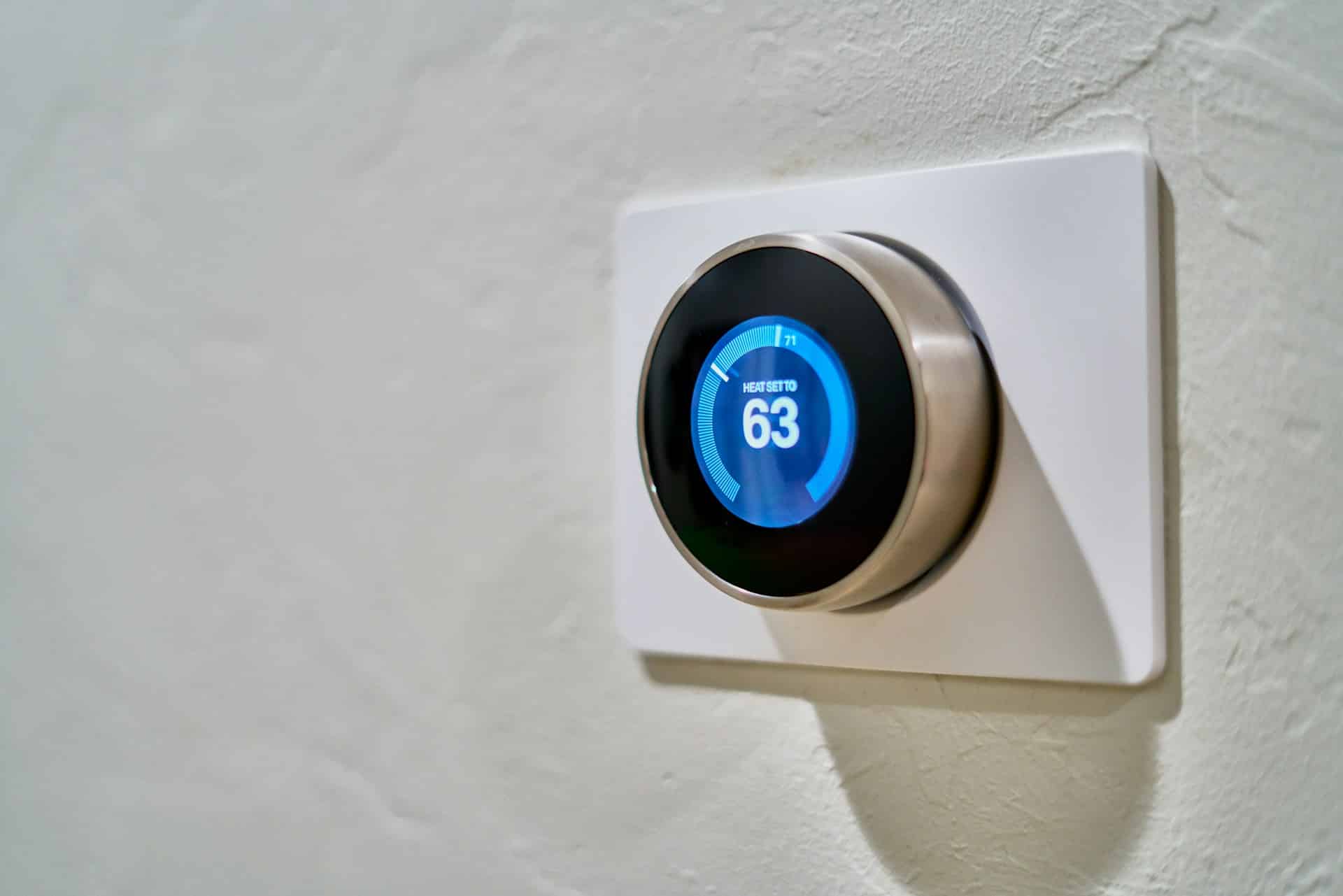

Here’s the sweet spot. The best setup isn’t “thermostat versus technician.” It’s both, working together. When they do, you get something better than either alone.
The thermostat handles the daily clever stuff:
- Learn your patterns and adjust automatically.
- Saves you money when the house is empty.
- Alerts you early when things start going wrong.
The technician handles everything else:
- The twice-yearly tune-ups that keep the system humming.
- Cleaning coils, checking refrigerant, inspecting electrical connections.
- Diagnosing and fixing the physical things that actually break.
And your technician can also help you pick the right thermostat. Not every smart model plays nicely with every system. Some have trouble with variable-speed equipment or ductless mini-splits. A good tech knows your setup and installs it with the proper placement, proper wiring, proper configuration.
Lockey Air’s services cover the full picture:
- Precision tune-ups – where they check thermostat accuracy and system performance.
- Expert repairs – using proper diagnostic tools and OEM parts.
- Smart installations – with Manual J load calculations to size things correctly.
- Indoor air quality solutions – like UV light systems that kill 99% of airborne germs inside your HVAC.
The thermostat is one piece of that puzzle. A useful piece. But not the whole picture.
Where we’re headed (and where we’re not)
AI is getting smarter. Predictive algorithms are improving. Researchers are building systems that can detect problems before they happen using real-time data and deep learning. Smart buildings are coming.
But the idea of an AI thermostat totally replacing a technician? That’s not happening in any timeframe that matters for your house. What you’re really getting is a smarter partnership. Your thermostat becomes the early warning radar. The technician becomes the rapid response team. Together, they keep your system running longer, more efficiently, and with way fewer nasty surprises.
Bottom line
If you’ve got a smart thermostat, use it. Let it learn your habits. Enjoy the energy savings. But I don’t think it replaces the twice-yearly service. Don’t think it’ll diagnose a dying capacitor before it blows. And definitely don’t think it can fix anything when your AC goes down on a 105-degree Saturday.
For that, you need hands-on expertise the kind Lockey Heating and Air has been bringing to Central Texas homes for decades. They know the local climate, they know the equipment, and they’ll give you honest advice about what your system actually needs. Whether that’s a new thermostat, a tune-up, or a full replacement.
Got a smart thermostat giving you grief, or an HVAC system that needs a proper look? Give Lockey Heating and Air a call. They’ll come out, have a look, and tell you straight what’s going on. No algorithm required.

HVAC UV Light Installation: How It Improves Air Quality in Your Home
Alright, let’s be real for a second. You kick off your shoes, slump onto the couch, and finally take…

Breathe Easy, Belton: How Professional HVAC Services Keep Your Home Perfect Year-Round
Living in Belton means enjoying real-deal Texas living – from lazy walks along Nolan Creek to cheering at the Bell County Expo. But let’s be honest…
Is a Ductless Mini-Split System Right for Older Homes?
You love your old house. The thick trim work, the pocket doors, the way the sunlight hits the original hardwood floors.

Breathe Easier: Demystifying HVAC Filters for Cleaner Indoor Air
You change your HVAC filter religiously, but still wake up stuffy. Your “allergy-friendly” filter claims to capture dust…

The 6 Questions Every Belton Homeowner MUST Ask Before Hiring an HVAC Company
The 6 Questions Every Belton Homeowner MUST Ask Before Hiring an HVAC Company Alright, Belton...
