
Why Two Similar Homes Have Different Energy Bills
Ever scratch your head wondering why your neighbor’s energy bill stays so low while yours keeps climbing, even though the houses look nearly identical?
It’s rarely just about using fewer lights or turning off the TV. Most of the time, the real story lives inside your HVAC system, how your home holds onto conditioned air, whether all the pieces are working together like they should.
This guide walks you through the big reasons energy bills can be wildly different, and what you can actually do to bring yours down.
Quick Tips Before You Dive In
- A dirty air filter forces your HVAC system to work a lot harder than it needs to.
- Poor insulation can quietly leak cooled or heated air all day, every day.
- Swapping an old HVAC system for a high-efficiency model can lower monthly energy costs over time.
It’s Not Just About Square Footage
You’ve probably thought:
“My house is the same size as the one next door, so our bills should be pretty close.”
That’s not always how it plays out.
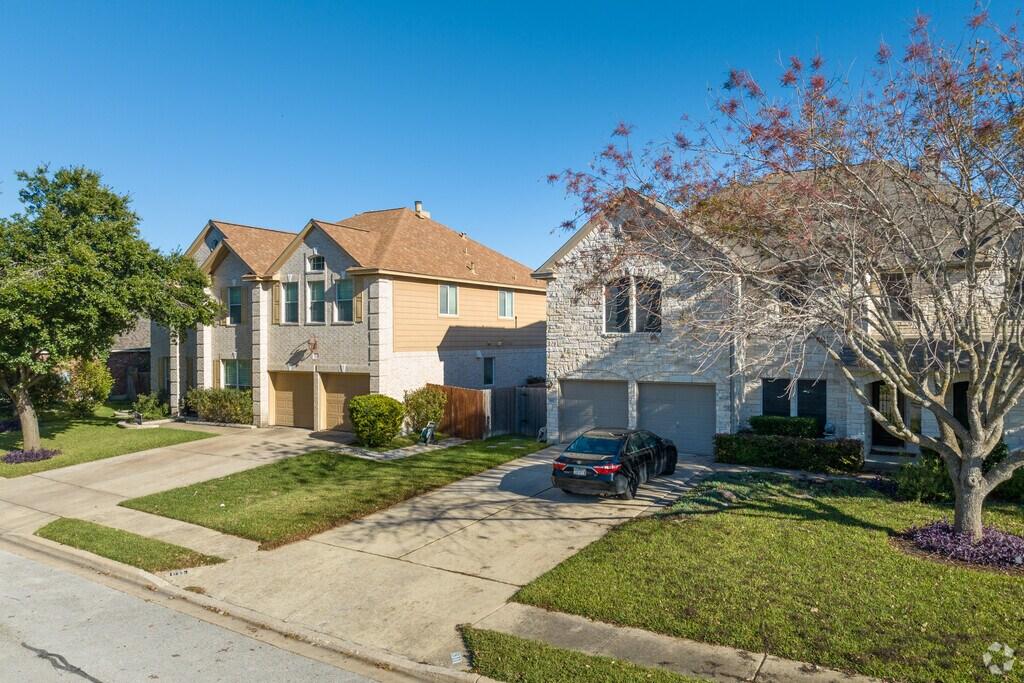
Two homes built right next to each other can differ in:
- HVAC equipment age and efficiency
- Insulation levels and quality
- Hidden air leaks
- Thermostat habits
- How often maintenance gets done
- The number of people living inside
All of those things quietly shape how much energy your home pulls each day.
1. One Home Runs a More Efficient HVAC System

This single factor often explains the gap.
Older heating and cooling units tend to gulp electricity compared to newer models.
A modern HVAC system is built to:
- Cool rooms faster
- Spread heat more evenly
- Use noticeably less power
- Strip out humidity better
- Run in shorter, smarter cycles
Even when both families set their thermostats to the same number, the house with the newer system can end up using far less energy. High-efficiency systems, when sized and installed right, boost comfort and keep operating costs in check.
Signs your HVAC system might be burning extra cash
- It’s more than 10–15 years old
- It seems to run nonstop
- Strange noises are becoming normal
- Some rooms never feel comfortable
- Your monthly bills keep drifting upward
2. Poor Insulation Lets All That Conditioned Air Slip Away
Think of insulation as a cozy blanket wrapped around your home.
Tear holes in that blanket, and cool air sneaks out in the summer while warm air escapes in the winter.
Your HVAC system then runs and runs trying to replace what got lost.
The usual suspects where energy tends to slip out:
- Attics
- Outside walls
- Crawl spaces
- Ceilings above garages
- Around doors
- Around windows
Even tiny air leaks, when you add them all up-can quietly burn through a lot of energy month after month.
3. Air Leaks Around Doors and Windows
Sometimes the problem isn’t the equipment at all-it’s the house itself.
Little gaps near:
- Window frames
- Door frames
- Where pipes and cables enter
- Electrical outlets
- Attic access panels
let outside air sneak in without an invitation.
Here in Texas, that often means hot outdoor air constantly seeping inside. Your AC then has to fight to remove that extra heat over and over again, and your bill feels the pinch.
Quick ways to spot trouble
- Hold your hand near doors and windows-do you feel warm air?
- Check for cracked or flattened weatherstripping.
- On a breezy day, hold a tissue near window edges. If it flutters, you’ve got a leak.
4. Dirty Air Filters Make the Whole System Struggle

This is one of the simplest problems to solve.
When a filter gets packed with dust:
- Airflow drops.
- The blower motor strains harder.
- Cooling gets sluggish.
- Energy use ticks up.
A lot of folks forget about the filter until the system starts acting up. You don’t have to wait that long.
Pro Tip
Give your filter a quick look every month. Swap it out when it looks grimy, sooner if you’ve got:
- Shedding pets
- Allergy sufferers at home
- Lots of dust
- Renovation projects going on
Regular upkeep helps your HVAC run efficiently and often heads off expensive breakdowns before they happen.
5. One Household Uses the Thermostat Very Differently
Small thermostat shifts can sneak up on a monthly bill.
Example:
Household A:
- Keeps the AC around 74°F
- Stays mindful about shutting doors
- Runs ceiling fans
- Puts the thermostat on a schedule
Household B:
- Cools the house down to 68°F
- Opens doors frequently
- Leaves windows cracked open
- Lets the AC run full blast around the clock
Even in identical floor plans, their energy bills can look completely different.
6. One Home Gets Hammered by the Sun
Not every house soaks up the same amount of sunlight.
One might:
- Face west
- Take direct afternoon sun for hours
- Heat up like an oven
The house right next door could:
- Sit in the shade of big trees
- Face a cooler direction
- Stay naturally more comfortable
That difference alone can force one HVAC system to run far longer on scorching summer afternoons.
7. Ductwork Can Waste a Surprising Amount of Energy
Your HVAC relies on ducts to shuttle conditioned air to every room.
If those ducts have:
- Leaks
- Cracks
- Loose connections
- Thin or missing insulation
a lot of that air never reaches the rooms. Instead, it dumps into:
- The attic
- The garage
- A crawl space
Your system keeps running because the thermostat never sees the temperature it wants and your bill keeps climbing.
8. Home Size Is Just One Piece of the Puzzle
Two houses might both be 2,000 square feet.
But one could have:
- Towering ceilings
- Walls of big windows
- An open-concept layout
- Sliding glass doors
- A sunroom tacked on
All of that changes how much heating and cooling the home really needs.
That’s why getting the HVAC sizing right matters so much. A unit that’s too small or too big can run inefficiently and leave you less comfortable.
9. Regular Maintenance Changes the Game
Many homeowners wait for something to break before calling a pro.
That usually ends up costing more.
Preventive maintenance is about catching small hiccups before they balloon into big, expensive repairs.
A professional checkup might cover:
- Cleaning the coils
- Checking refrigerant levels
- Testing airflow
- Inspecting electrical connections
- Clearing drain lines
- Confirming thermostat accuracy
These steps help your system perform closer to its best. Lockey Heating & Air suggests twice-yearly maintenance to keep efficiency up and extend the life of your equipment.
Did You Know? Even a solidly built home can waste energy if the HVAC isn’t looked after.
Simple Moves to Lower Your Energy Bills
You don’t always need a full system replacement. Start with easier wins:
- Change out dirty air filters.
- Seal up air leaks around doors and windows.
- Book seasonal HVAC tune-ups.
- Install a programmable thermostat and actually use the schedule.
- Keep supply vents open and unblocked.
- Add attic insulation if it’s looking thin.
- Run ceiling fans to feel cooler without cranking the AC.
- Close blinds during the hottest stretch of the day.
These small tweaks often stack together and noticeably dial down your energy use.
When You Might Want to Think About Replacing Your HVAC
Sometimes fixing things over and over stops making financial sense.
Consider a new system if:
- Yours is past the 10–15 year mark.
- Repairs keep popping up.
- Your energy bills won’t stop rising.
- Certain rooms never feel comfortable.
- The unit really struggles when the weather gets extreme.
Today’s high-efficiency systems are designed to keep you more comfortable while using less energy than many older units.
Key Takeaways
- Two almost-identical homes can have surprisingly different energy bills.
- The health of your HVAC system plays a huge role.
- Insulation and sneaky air leaks matter more than most people realize.
- Dirty filters and skipped maintenance quietly drive up energy use.
- Smart thermostat habits can help bring monthly costs down.
- Routine inspections catch problems early and boost efficiency.
FAQs
Why is my energy bill so much higher than my neighbor’s?
Your HVAC system might be older, less efficient, or not getting the maintenance it needs. Differences in insulation, air leaks, and thermostat habits also make a sizable dent.
How often should I really service my HVAC system?
Most pros recommend a checkup twice a year; once before cooling season and once before heating season, to help keep everything running reliably and efficiently.
Can something as simple as swapping an air filter actually save money?
Absolutely. A clean filter lets air move freely, takes strain off the system, and helps it operate more efficiently.
Is replacing an old HVAC unit worth the investment?
If your current system is getting up there in years, needs frequent fixes, or is behind those high utility bills, a replacement can lower long-term costs and make your home noticeably more comfortable.
Final Thoughts
When two homes sitting next door to each other end up with completely different energy bills, it’s because a bunch of factors are stacking up, not just square footage or where somebody sets the thermostat. Your HVAC system’s condition, your home’s insulation, your maintenance routine, and your daily habits all leave a mark on your energy use.
If your bills keep creeping upward or your home never quite feels comfortable, contact lockey air & heating today. Our experts will take a look and uncover what’s really going on and show you where you can improve efficiency before small hiccups turn into big repair bills.
Is a Variable-Speed AC Worth It for a Central Texas Home?
Is a variable-speed AC worth the extra cost? For a lot of Central Texas homeowners….
Why Does My HVAC Keep Turning On and Off?
Is your HVAC constantly cycling on and off? Learn what may be causing….
Why Is My AC Running but My House Still Feels Hot?
You hear the AC humming away, the thermostat says it’s cooling, but the house still feels like a sauna.

Complete Guide to HVAC Maintenance & System Care
Summer in Harker Heights just hits different.
The Home Comfort Upgrade You’ll Appreciate Every Single Day
Nobody ever wakes up thinking, “I hope my HVAC system makes it through the day.”
