
Complete Guide to HVAC Maintenance & System Care
Your HVAC system is one of those things you don’t think about until it stops working. It’s summer in Texas, the AC quits, and suddenly you’re sweating in your own living room, calling every repair place in town hoping someone can get to you before the weekend.
Lockey heating & air have been doing HVAC work in and around Belton for years. We’ve seen the difference between systems that get a little attention and ones that get ignored. The ones that get ignored? They break down in July. The ones that get a little care? They keep humming along for years, cost less to run, and don’t leave you stranded.
This guide is everything we’ve learned about keeping your HVAC system happy. No technical mumbo jumbo. Just plain talk about what matters, what to watch for, and how to avoid the expensive breakdowns.
Key Takeaways
- A little maintenance goes a long way.Most major breakdowns happen because of small problems that got ignored.
- Timing matters.Getting your AC checked before the heat hits can save you from waiting weeks for a repair.
- You can do some things yourself.Changing filters, cleaning around the unit easy stuff that makes a big difference.
- The signs are usually there.Strange noises, weak airflow, uneven temps your system will tell you when it needs help.
- Regular service pays for itself.Lower energy bills, fewer repairs, and longer life for your equipment.
Why Regular HVAC System Maintenance Is So Important
Here’s the thing about air conditioners and furnaces. They don’t just quit one day for no reason. Something leads up to it. A dirty filter that made the blower work harder. A refrigerant leak that went unnoticed. A capacitor that was getting weak but nobody checked it.
Why regular HVAC system maintenance is so important comes down to one word: prevention.
When you get a tune‑up, a technician isn’t just looking at your system. They’re catching the little stuff before it becomes big stuff. A loose wire tightened now means no call in August when it finally arcs out. A low refrigerant charge topped off now means your compressor doesn’t burn up in the middle of a heatwave.
We’ve seen it a hundred times. People skip maintenance for a few years, and then call us in a panic because their system is dead. And a lot of times, that death was preventable.
How Often Should You Service Your AC in Belton, Texas?
Belton summers are no joke. June through September, your AC is working hard. That’s why how often should I service my AC in Belton, Texas is a question we get all the time.
Our standard answer: twice a year. Once in the spring before the heat hits, and once in the fall before you need your furnace. That’s the ideal.
If you’re going to do only one, do it in the spring. Get your AC checked, cleaned, and tuned up before you need it every day. That way you’re not waiting for a repair when it’s 100 degrees outside.
Some folks ask if they can stretch it to once a year. You can, but you’re taking a gamble. A spring tune‑up catches problems before they leave you sweating. A fall tune‑up makes sure your furnace doesn’t quit in January. If you care about reliability, twice a year is the way to go.
I Skipped My HVAC Service for a Year – Here’s What Happened
We’ll tell you a story. Had a customer a couple years back nice lady, busy with work and kids. She’d been getting her AC serviced every year like clockwork. Then life got busy, she skipped one spring. Figured it would be fine.
That summer, her system started acting up. Blowing warm air. Thermostat set to 72 but it felt like 82. She called us out, and what we found wasn’t pretty. A slow refrigerant leak had been there probably since the previous year. If she’d done the spring tune‑up, we would’ve caught it, topped it off, and fixed the leak early.
But by skipping just one year, the leak got bad. The compressor was running low on refrigerant, which overheats the compressor. By the time our experts got there, the compressor was shot. New system. Big bill. All because she missed one service.
That’s what happens when you skip HVAC service for a year. This isn’t a story anyone wants to tell. But we hear it more often than we’d like.
Top 5 Signs Your HVAC System Needs Maintenance ASAP
You don’t have to be an HVAC expert to know when something’s wrong. Your system will give you clues. Here are the top 5 signs your HVAC system needs immediate maintenance.
- Weak airflow.If you put your hand over a vent and it’s barely moving air, something’s blocking it could be a dirty filter, a clogged coil, or a blower issue. Don’t ignore it.
- Strange noises.Banging, rattling, squealing none of those are normal. A healthy AC hums quietly. If it’s making noise, something’s loose or worn out.
- Inconsistent temperatures.One room is freezing, another is stuffy. That could be duct issues, or it could mean your system isn’t running right.
- Higher than usual energy bills.If your electric bill spikes and you haven’t changed your habits, your AC might be running inefficiently. Usually means it needs cleaning or has a problem.
- The unit won’t stop running.A properly sized system should cycle on and off. If it’s running constantly, it’s either too hot outside or something’s wrong inside.
If you notice any of these, don’t wait. Call someone to take a look. The longer you let it go, the worse it gets.
What Are Cost-Effective Ways to Keep AC Running Efficiently
You don’t have to spend a fortune to keep your AC happy. There are simple, cheap things you can do yourself.
Change your filter. This is the number one thing. A dirty filter makes your system work harder, uses more energy, and can lead to breakdowns. Get a basic filter and change it every 1‑3 months. Fancy filters cost more and sometimes restrict airflow too much. Stick with a good middle‑grade one.
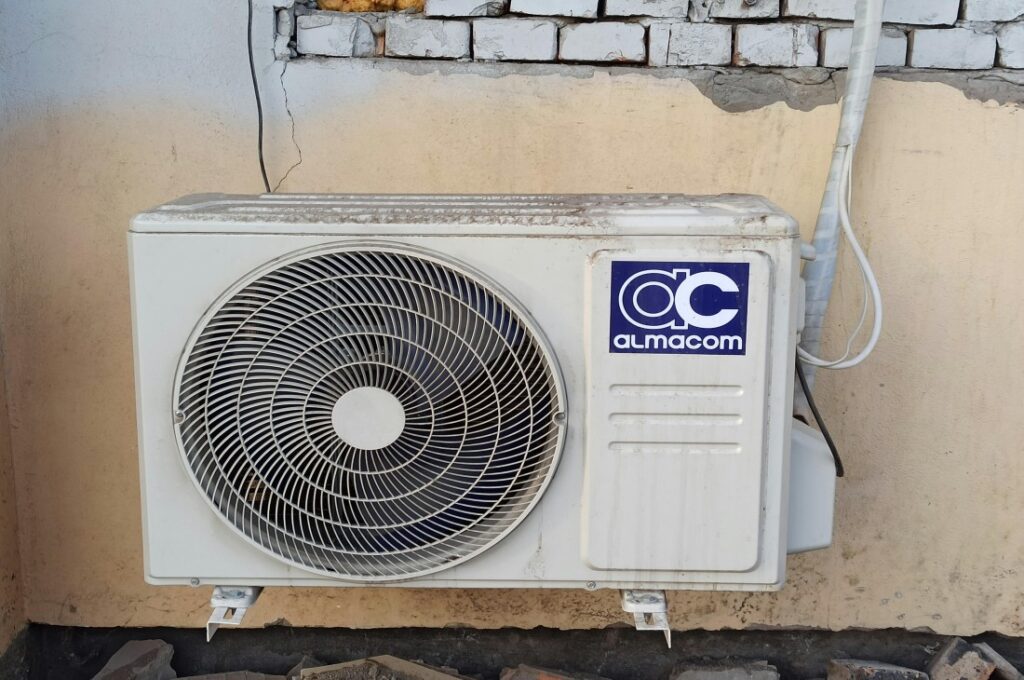
Keep the outdoor unit clean. The outside condenser needs airflow. If it’s surrounded by weeds, grass clippings, or bushes, it can’t breathe. Once a month, turn off the power and hose it down gently to remove dirt and debris. Don’t blast it with high pressure you’ll bend the fins.
Use a programmable or smart thermostat. Set it higher when you’re not home. For every degree you raise the temp in summer, you save about 3% on cooling costs.
Check your ducts. If you have leaks in your ducts, you’re paying to cool your attic. Sealing them can make a huge difference.
Shade the outdoor unit. If you can plant a shrub or put a shade structure near it (without blocking airflow), it helps the unit run cooler.
These are cost-effective ways to keep AC running efficiently that anyone can do. Cheap or free, and they add up to real savings.
Energy-Saving Tips for Your HVAC System
Besides the basics, there are a few more tricks to cut your bills.
Ceiling fans. A ceiling fan uses a fraction of the power of an AC and can make a room feel 4 degrees cooler. Run the fan with the AC set higher, and you’ll stay comfortable for less.
Seal your home. Weatherstripping around doors, caulking windows stops cool air from leaking out. Big difference.
Keep curtains and blinds closed. On hot days, solar heat coming through windows makes your AC work overtime. Close them during the day.
Use the night air. In Texas, nights still cool down sometimes. Open windows at night, close them in the morning, and let your AC take a break.
Schedule annual maintenance. We know we’ve said it already, but it’s also one of the best energy-saving tips for your HVAC system. A clean, well‑tuned system runs up to 20% more efficiently than a neglected one.
What to Expect During a Professional Service Call
If you’ve never had your system serviced, you might wonder what they actually do.
A good technician will:
- Check the thermostat and controls
- Inspect electrical connections and tighten any loose ones
- Check the capacitor and motors
- Clean the condensate drain (so it doesn’t clog and flood)
- Measure refrigerant levels and adjust if needed
- Clean the evaporator coil and outdoor coil
- Check the blower and filter
- Test system performance
It takes about an hour. And when they’re done, you get a report on the system’s health, any issues they found, and recommendations.
When to fix it or just get a new one
Nothing lasts forever. At some point, you gotta ask yourself if you’re just throwing money at an old clunker.
Here’s how we think about it. If the repair bill is more than about a third of what a new system would cost, you’re better off replacing. Also, if your unit’s pushing 15 years or older and something major blows, don’t keep pouring money into it. Let it go.
New systems are so much more efficient it’s ridiculous. That old beast from 20 years ago? It could be costing you double to run compared to a new one. So yeah, you could fix it, but you might save more in the long run just upgrading.
One more thing. If you’re calling us out every few months, that’s a sign. A system that breaks down all the time isn’t just expensive it’s a pain in the neck. You don’t need that hassle.
FAQs
How often should I change that filter?
Every month or two, maybe three if you’re lucky. Depends on how much you run the thing, if you’ve got pets shedding everywhere, what kind of filter you bought. If you’re not sure, just pull it out once a month. Looks dirty? Toss it. Cheap enough.
Can I just skip maintenance for a year?
You can. Nobody’s gonna break your door down. But we’ve seen it backfire plenty. You skip one spring, then summer hits and that little problem that would’ve cost fifty bucks to fix is now a thousand dollar disaster. Not worth it.
Why's my AC freezing up when it's a hundred degrees outside?
Sounds crazy, right? Usually means low refrigerant, not enough airflow, or a coil that’s caked with gunk. If you see ice, turn it off. Don’t let it keep running. That’ll wreck the compressor for sure.
What temp should I set it at to save money?
Try 78 when you’re home, bump it up when you’re out. Every degree you go lower, your bill goes up about 3%. Doesn’t sound like much, but it adds up over a whole summer.
Are those smart thermostats worth the money?
Yeah, especially if your schedule is all over the place. They figure out when you’re home and when you’re not, adjust themselves, and you can mess with ’em from your phone. Pretty handy.
How long do these systems usually last?
If you take care of it, AC might go 12 to 15 years, furnace a bit longer 15 to 20. We’ve seen some old units still chugging at 20 years. And we’ve seen others die at 10 because nobody ever looked at ’em.
What's the one mistake people make most?
Easy. They forget the filter and they skip the tune‑ups. Those two things cause most of the breakdowns I get called out for.
Wrapping it up
Look, your HVAC system puts in the hours, especially around Belton. Half the year, it’s the only thing standing between you and being miserable. So throw it a bone. Change the filter. Clean around the outside unit. Get it checked once in a while. It’s not rocket science.
Don’t wait for it to die on the hottest day of the year. Spend a little now, save a lot later. And you’ll sleep better knowing you’re not gonna wake up in a sweat.
The Importance of Professional Heating Services for a Cozy Home
The Importance of Professional Heating Services for a Cozy Home As the temperatures decrease and...
What Is Ductless HVAC And Is The Right Choice For Me?
What Is Ductless HVAC AndIs The Right Choice For Me?Do you actually depend on those terrible,...
Why Ducted Air Conditioning is Important for your Homes and Offices
Why Ducted Air Conditioning is Important for your Homes and OfficesIn the singing intensity of...
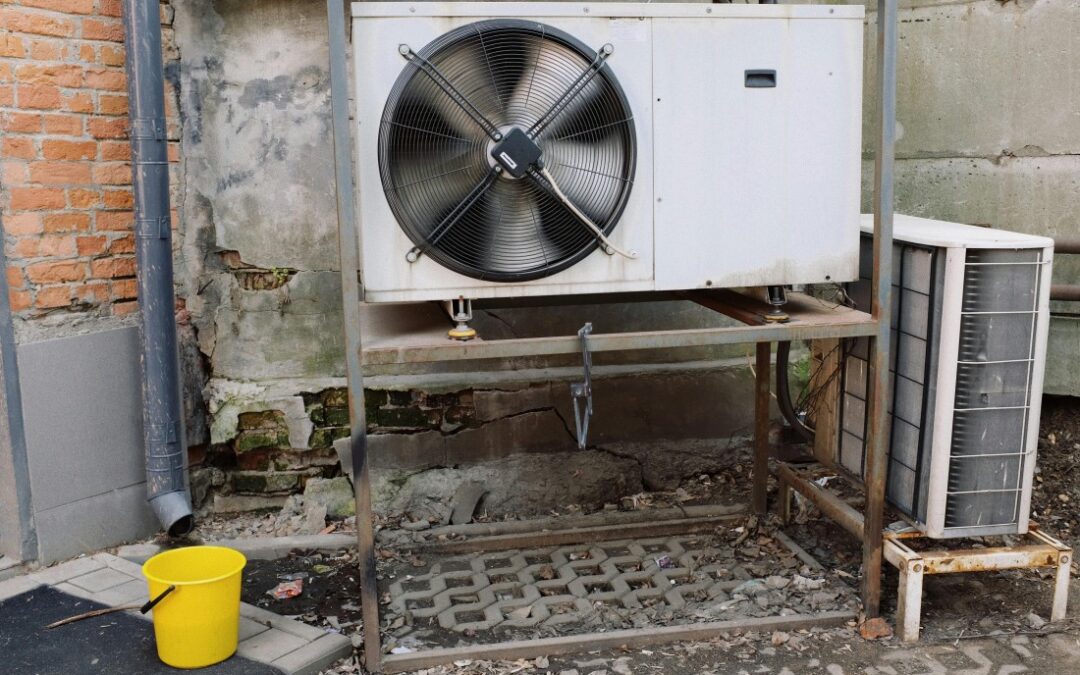
The Role of HVAC in Indoor Air Quality
The Role of HVAC in Indoor Air QualityThe quality of the air we breathe is a critical factor in...
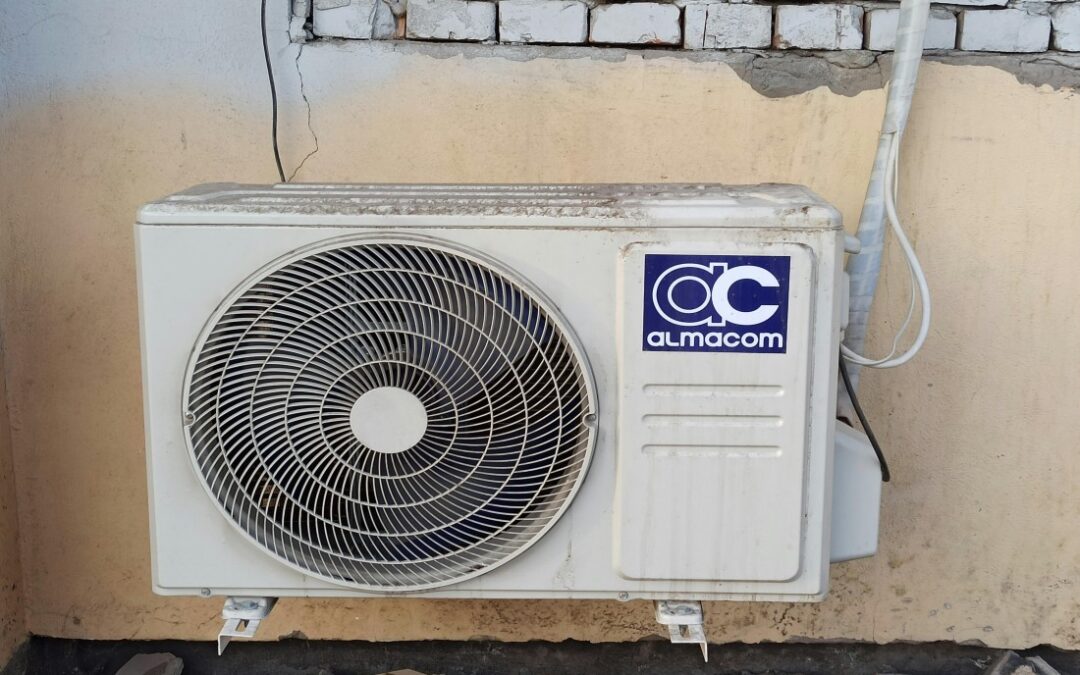
The Importance of Regular HVAC Maintenance
The Importance of Regular HVAC MaintenanceLet's talk about something that's often the unsung hero...
